Paint by Numbers for Beginners: Start Your Art Journey Today
Paint by Numbers for Beginners: Everything You Need to Know to Start
You have been thinking about trying paint by numbers for beginners, but you have questions. What exactly comes in the box? Will I mess it up? How hard is it really? Here is the truth: paint by numbers is genuinely accessible. It is designed for people with zero art experience.

What Exactly Is Paint by Numbers?
Paint by numbers is simple: a canvas comes pre-drawn with numbered sections, and each number corresponds to a specific colour. You match the numbers to the colours, fill in the sections, and watch a beautiful painting emerge.
It is not cheating. It is not "lesser art." Those limiting beliefs are simply not true. Paint by numbers is a legitimate creative activity that produces genuine artwork. Millions of people use it to create, relax, and explore their artistic side.
Why Paint by Numbers Works
The genius of paint by numbers is that it removes the decisions that intimidate beginners: composition, colour theory, perspective, proportion. All that is handled for you. Your job? Bring it to life with your brush. This is freedom, not limitation.
Think of it like colouring for adults, except the results look like professional paintings. The structure gives you guardrails, which actually makes you more creative, you are focused on technique and meditation rather than worrying about "is this right?"
You do not need any artistic experience. Zero experience is ideal, no bad habits to unlearn. Paint by numbers is designed specifically for people with no art background, and it produces results you will be proud to display.
What Comes in Your Paint by Numbers Starter Kit?
Let us unpack a typical beginner kit. Knowing exactly what you are getting removes a lot of anxiety.
The Canvas
A pre-sketched canvas (usually 20 cm x 25 cm to 40 cm x 50 cm) with all sections numbered. The numbers are printed right on the canvas in pencil or light paint. These are the roadmap to your masterpiece.
The Paints
Acrylic paints in bottles, each labelled with a number. Usually 12-24 colours for beginner kits. They come ready to use, no mixing required. You are literally just matching numbers.
The Brushes
Usually one or two brushes. They work, but upgrading to a quality synthetic brush ($5-10) makes a noticeable difference. See our paint by numbers tips guide for brush recommendations.
The Reference Image
A printed or digital reference showing what the finished painting should look like. Use this to stay motivated and check your progress.
The Instructions
Simple instructions that basically say: paint light colours first, then progress to dark, fill in numbered sections, let dry, admire. That is it. Some kits include a palette, water cup, or additional supplies, but the basics above are all you truly need.
Choosing Your First Paint by Numbers Design
This decision matters more than you think. You are going to spend 5-15 hours with this painting. Choose something that genuinely excites you.
Best First Designs for Beginners
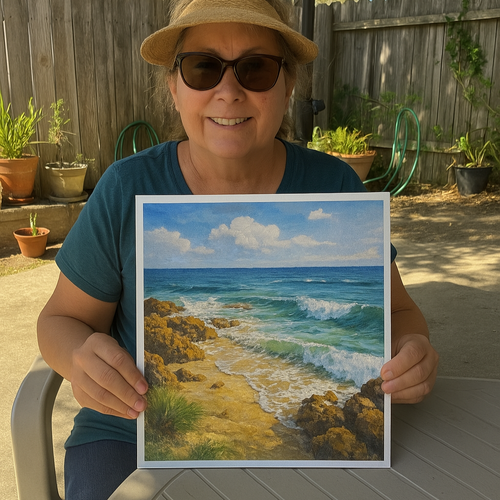
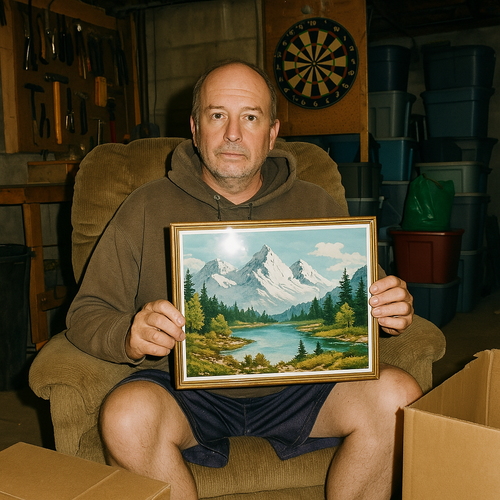
- Simple Landscapes, Forgiving subject matter, natural colour palettes, lower complexity. Forests, beaches, mountains.
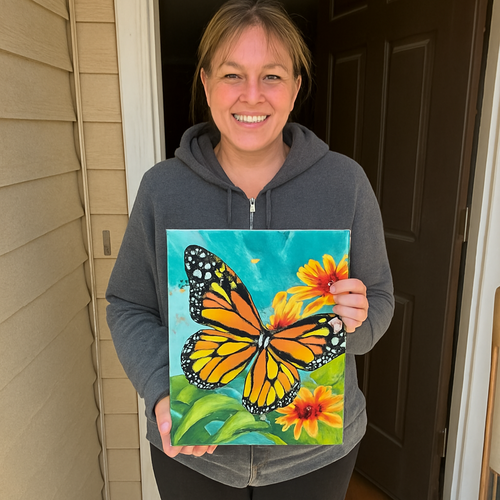
- Florals, Beautiful results even if you "mess up," rich colours that pop, instantly gratifying.
- Animals You Love, Personal connection keeps you motivated. Dog? Cat? Bird? Choose a subject you adore.
- Abstract Art, No "right" way to paint an abstract design. Total freedom within the numbered structure.
- Small Canvas, Smaller size means fewer hours to completion and faster gratification. Perfect for testing whether paint by numbers is for you.
Avoid as Your First Kit
- Very large canvases (40 cm+), steep time investment for a first attempt
- Hyper-realistic portraits, pressure to match reference image exactly
- More than 30 colours, complexity overwhelms beginners
- Designs you are indifferent about, life is too short to paint something boring
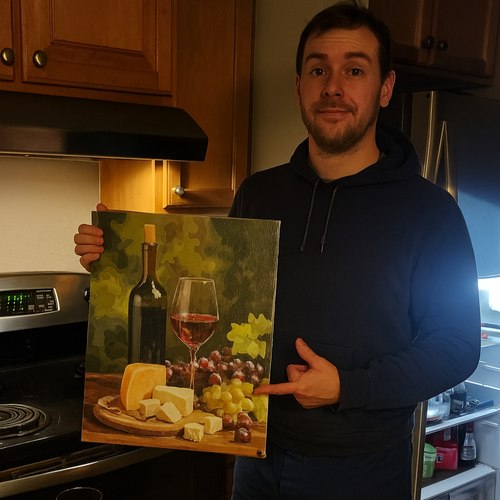
Your first paint by numbers for beginners should feel exciting, not intimidating. Pick something that makes you smile. Browse our beginner collection for designs with manageable colour counts and stunning results.
Setting Up Your Workspace
Environment affects your painting. A good setup keeps you comfortable, organised, and focused.
The Ideal Painting Workspace
Find a flat surface: table, desk, or kitchen counter. Lay your canvas flat or at a slight angle (prop it up with books). This gives you control and prevents paint from running.
Lighting
Get bright, even light. Natural daylight is perfect. If painting in the evening, use a desk lamp positioned so it shines on the canvas without harsh shadows. You need to see numbered sections clearly and match colours accurately.
Organisation
Arrange paints in numerical order before you start. This saves you 30+ minutes of hunting during your session and keeps you in the creative flow. Keep water nearby (rinse your brush between colours), paper towels, and your reference image where you can see it.
Comfort and Protection
Use a chair that does not wobble. Wear something you do not mind getting paint on (acrylics wash out, but prevention is easier). Have snacks and water nearby. Paint by numbers for beginners should be relaxing, not stressful. Remove obstacles to comfort.
Lay down newspaper or a drop cloth if you are worried about spills. Acrylics wash out of fabric if caught quickly, but prevention beats cleanup.
Your Step-by-Step First Painting
Now the moment arrives. You are ready to paint. Here is what success looks like.
Step 1: Prepare
Organise your workspace. Arrange paints in order. Pour water. Locate your reference image. Take a breath. You have got this.
Step 2: Identify Colour #1
Look at your kit. Which paint number is the lightest colour? This is crucial: always start with light colours and progress to dark. Light paint does not cover dark paint, but dark covers light. If you reverse this, your colours become muddy and unclear.
Step 3: Paint All #1 Sections
Look at your canvas. Find every section marked with the number #1. Paint each one. Use short, controlled brush strokes. Do not press hard, a light touch gives better control. Let light strokes layer for even coverage.
Step 4: Rinse and Repeat
Rinse your brush thoroughly in water. Move to colour #2 (the next lightest). Paint all #2 sections. Rinse. Move to #3. Continue this pattern until you have painted every number on the canvas. For a more detailed walkthrough, read our complete how to paint by numbers guide.
Step 5: Let Everything Dry
This is crucial. Acrylic paint dries in 15-30 minutes, but wait for complete drying before adding second coats or admiring your work. Patience now prevents muddy, sloppy sections.
Step 6: Add Second Coats (Optional but Recommended)
Once dry, add a thin second coat to sections that look transparent or patchy. This deepens colour and improves opacity. Most professional-looking paintings have two coats.
Step 7: Step Back and Admire
You did it. You created art. Hang it up, photograph it, show your friends. You should be proud.
Remember, this is not about perfection. It is about the joy of creation, the quiet focus, and the magic of watching a blank canvas transform into something beautiful under your brush.
Common Beginner Mistakes (Do Not Worry, They Are Fixable)
First-time painters often hit predictable obstacles. Knowing what they are helps you avoid them.
Mistake 1: Painting Dark Colours First
This creates muddy, unclear sections. Always light to dark. Write it on a post-it and stick it on your easel.
Mistake 2: Using Paint Without a Brush
Some beginners think they can squeeze paint directly onto canvas. Resist. Brush control is everything. A brush lets you stay within numbered sections and create clean lines.
Mistake 3: Pressing Down Hard
Beginner painters often push hard, thinking pressure improves coverage. Wrong. A light touch gives better control, cleaner lines, and less wasted paint.
Mistake 4: Rushing and Not Letting Paint Dry
Painting over damp sections creates muddy, blended colours that look sloppy. Wait. Let paint dry completely between coats.
Mistake 5: Expecting Perfection
Your first painting will not be flawless. Congratulations, neither are professional paintings. Beauty is in the imperfection, the personal touch, the fact that you created it.
Mistake 6: Choosing a Design You Do Not Love
This is the only unforgivable error. If you do not love your design, you will hate spending 15 hours with it. Choose something that genuinely excites you.
None of these mistakes are permanent. If you mess up a section, let it dry and paint over it. You are learning. That is the whole point.
When You Are Ready to Graduate to Harder Designs
Your first painting is finished. You are hooked. Now what?
Signs You Are Ready for Intermediate Designs
- You have completed at least 2 beginner kits
- Your brush technique feels steady
- You are comfortable with paint consistency and drying times
- You want more complexity or a larger canvas
- You are itching for a challenge
Intermediate Designs
These typically have 20-35 colours, smaller numbered sections, more intricate subject matter, and take 10-20 hours to complete. Examples include realistic animal portraits, complex landscapes, detailed florals, and abstract art with depth.
Advanced Designs
Once you have completed 5+ intermediate paintings, you are ready for 35-60+ colours, tiny numbered sections, hyper-realistic subjects, and 20-40+ hours of painting. These are serious projects with professional-grade materials. Browse our advanced collection when you are ready.
Building Your Painting Practice
Paint one kit every 2-4 weeks. This gives you time to complete without rushing, and time between paintings to miss the activity. You will get faster and better with each one. Visit our collections regularly. Browse designs. Save favourites. Build anticipation for your next project.
Frequently Asked Questions
Do I need any artistic experience?
Absolutely not. Zero experience is ideal, no bad habits to unlearn. Paint by numbers is designed specifically for people with no art background.
What if I have shaky hands?
Many people with tremors, arthritis, or natural shakiness paint beautifully by numbers. The numbered sections are large enough to accommodate slight variations. And honestly? A little imperfection makes the piece unique and human.
How long does a beginner painting actually take?
Small canvas (20 cm x 25 cm) with 12-18 colours: 3-5 hours total. Medium canvas (30 cm x 40 cm) with 18-24 colours: 5-10 hours total. Large canvas (40 cm x 50 cm) with 24+ colours: 15+ hours total. Spread these across multiple sessions. Do not try to finish in one sitting.
Can I gift a paint by numbers kit to a complete beginner?
Yes. Pair it with a gift card and a note: "No experience necessary. This is designed for you." Include a link to our how to paint by numbers guide so they have instructions.
What if I paint outside the lines?
The numbering guides you, so it is hard to paint in completely wrong areas. But if you do? Let it dry and paint over it. Nobody will know except you, and your finished painting is still beautiful.
Do I need to be good at details to succeed?
No. Large sections are forgiving. As you progress to intermediate and advanced kits, you will naturally develop finer detail work. But beginners? You have got plenty of space to be a little loose.
Is paint by numbers a waste of time?
Not at all. You are creating something physical, beautiful, and proudly yours. You are meditating through focused work. You are building a creative practice. That is never wasted time.
Find Your First Paint by Numbers Kit
Join thousands of happy first-time painters. Our beginner collection features designs with manageable colour counts, clear numbered sections, and stunning results. Free shipping across Australia.
Browse Beginner Collection